
In October 2026, Catherine, Princess of Wales, announced a new initiative through the Royal Foundation Centre for Early Childhood, exploring how nature-rich environments, creativity and nurturing relationships can support the social and emotional development of babies and young children.
With the Duchy of Cornwall as a founding partner, the project aims to bring together expertise from early childhood development, research and the natural environment to better understand how these experiences can support young children and their families.
The announcement is an encouraging development for those working in education, conservation and visitor engagement.
For zoos, aquariums, wildlife parks and nature attractions, it also raises an interesting question:
How can we make the most of the opportunities our environments offer to support children's learning, curiosity and connection with nature from their earliest years?
Why nature matters in the early years
The first years of life are a period of extraordinary development.
Young children are discovering how to communicate, build relationships, manage emotions and understand the world around them.
Nature offers a rich environment for these discoveries.
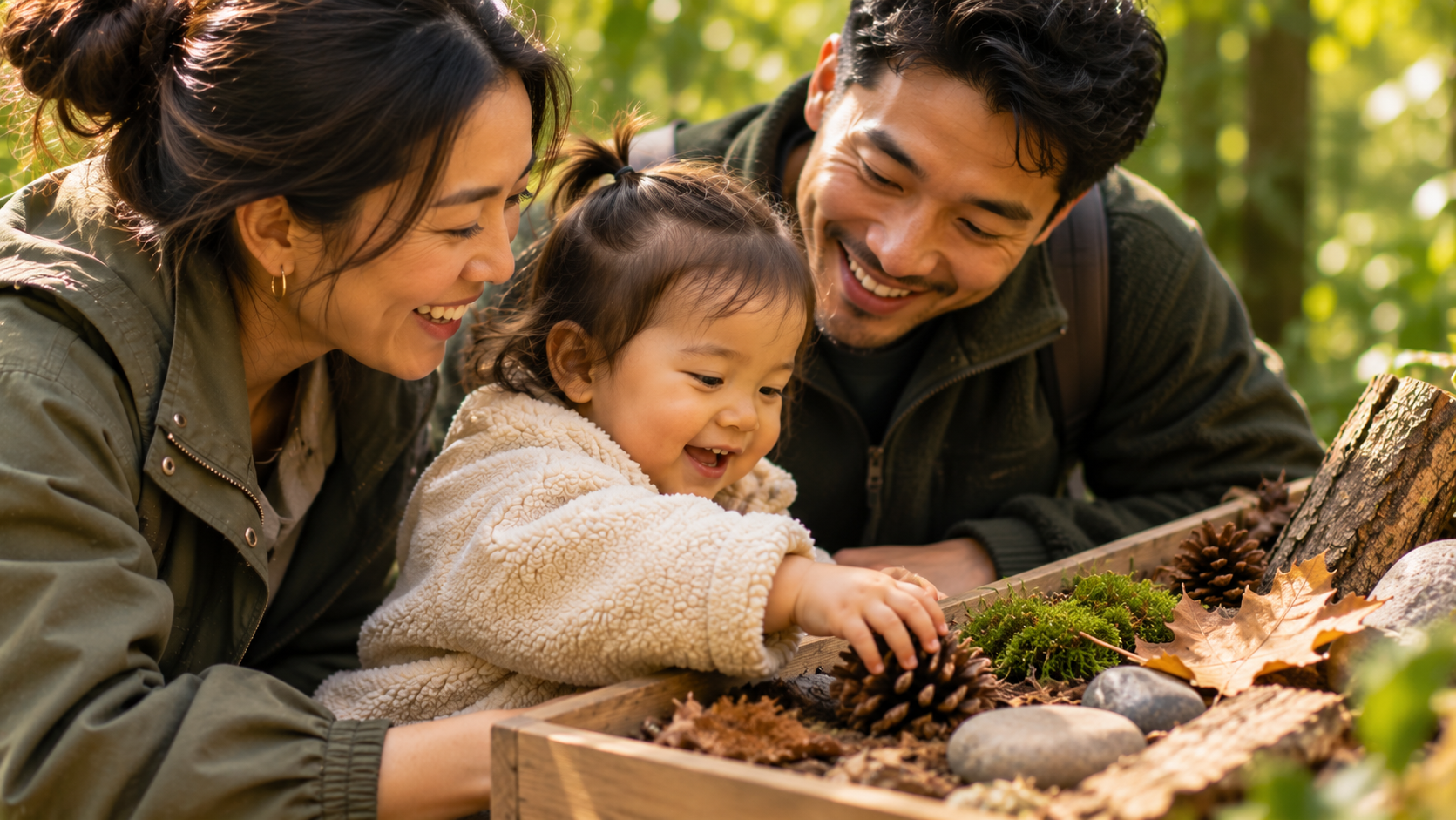
Whether investigating the texture of a leaf, listening to birdsong, watching an animal move or exploring a woodland path, children are learning through their senses, movement and interactions with others.
These experiences can create opportunities for curiosity, creativity, confidence and social connection.
Importantly, nature-based learning is not simply about developing knowledge of wildlife.
It can also provide opportunities for children to practise communication, develop independence, explore unfamiliar experiences and build positive relationships with the people around them.
The Royal Foundation's new initiative aims to explore these connections further, helping develop a clearer understanding of how nature-rich environments and nurturing relationships can support early childhood development.
Bridging the gap between interest and opportunity
One of the most interesting findings accompanying the announcement was the difference between parents' attitudes towards nature and their children's everyday experiences.
Research commissioned by the Royal Foundation Centre for Early Childhood found that 84% of parents believe spending time in nature supports their child's wellbeing and development, yet only 33% say their child spends time in nature every day.
Although these figures do not explain all the reasons behind this difference, they highlight an important opportunity to make nature experiences more accessible and appealing to families.
For visitor attractions, this is particularly relevant.
Zoos, aquariums, wildlife parks and nature attractions can provide engaging environments where families spend time together, discover wildlife and develop confidence exploring the natural world.
However, access is about more than simply opening the gates.
It also involves considering how welcoming, inclusive and appropriate an experience feels for families with very young children.
Are there opportunities for toddlers to explore at their own pace?
Can parents and carers easily participate alongside their children?
Do activities encourage curiosity without relying on lengthy instructions or structured teaching?
Small considerations like these can make a significant difference to how families experience an attraction.
Learning through play, discovery and connection
One of the most valuable aspects of nature-based learning is that it does not always need to look like traditional education.
Young children learn through exploration, repetition, play and interactions with the people around them.
For visitor attractions, this creates opportunities to think creatively about how learning is incorporated into the wider experience.
A woodland trail might encourage children to listen for different sounds, notice colours or investigate natural textures.
An aquarium could offer opportunities to observe movement, explore patterns and compare different marine animals.
A zoo might introduce simple storytelling, movement activities or sensory experiences that encourage children to notice the characteristics of different species.
These activities can support early communication, observation and curiosity without requiring young visitors to understand complex conservation messages.
Crucially, they also create opportunities for shared experiences between children and their parents or carers.
A simple question such as "What can you see?" or "How do you think that animal moves?" can encourage conversation, observation and discovery.
Often, it is these small interactions that make an experience particularly meaningful.
Thinking beyond school programmes
Education within visitor attractions is often closely associated with school visits and curriculum-linked workshops.
These remain an important part of the educational offer, but the Princess of Wales' initiative provides a useful reminder that learning begins long before children enter formal education.
Families with babies, toddlers and preschool-aged children represent an important audience, with their own developmental needs and interests.
For attractions, this creates opportunities to review how early years learning is supported throughout the visitor journey.
Could existing interpretation be adapted to encourage interaction between adults and young children?
Are there opportunities for sensory exploration and open-ended play?
Could quieter spaces, accessible trails or simple discovery activities help families feel more confident exploring together?
And could seasonal events or family workshops be designed with early childhood development in mind?
These opportunities do not necessarily require dedicated classrooms or large-scale investment.
Often, they involve making thoughtful changes to existing spaces, resources and activities.
Supporting the whole child
An important aspect of the Royal Foundation's project is its focus on social and emotional development.
For attractions, this provides an opportunity to think about educational outcomes more broadly.
Learning about wildlife and conservation remains valuable, but a successful experience might also involve a child developing confidence, sharing a discovery, expressing curiosity or interacting positively with others.
For example, a child participating in a nature discovery activity might practise taking turns, communicating observations or exploring something unfamiliar with the reassurance of a parent or educator.
These experiences can offer opportunities for wider developmental learning alongside an understanding of the natural world.
This does not mean every activity needs to achieve multiple outcomes or that attractions should attempt to measure children's emotional development during a visit.
Instead, it encourages a more holistic approach to designing experiences, recognising that learning, wellbeing, play and relationships are often closely connected.
What could this mean for visitor attractions?
The Royal Foundation's initiative is still at an early stage, with further details expected as the research develops.
It would therefore be premature to suggest that it establishes new educational requirements or provides a definitive model for nature-based learning.
However, it offers a valuable opportunity for reflection.
For attractions looking to strengthen their early years offer, three questions provide a useful starting point:
1. Are we creating opportunities for discovery?
Young children benefit from experiences that encourage exploration, observation and curiosity rather than simply receiving information.
2. Are we supporting shared experiences?
Activities that encourage interaction between children, parents, carers and educators can make learning more engaging and meaningful.
3. Are our experiences accessible to our youngest visitors?
Thoughtful interpretation, sensory opportunities, flexible activities and welcoming environments can help more families feel confident engaging with nature.
These questions can provide a practical starting point for reviewing existing provision and identifying opportunities for improvement.
Looking ahead
The Princess of Wales' new initiative is a welcome reminder of the importance of connecting children with nature from their earliest years.
It also highlights the potential for collaboration between education, conservation and early childhood development.
For zoos, aquariums, wildlife parks and nature attractions, there is an opportunity to build on the experiences they already provide and consider how these can better support young children and their families.
The most meaningful experiences do not always involve elaborate activities or expensive resources.
Sometimes, they begin with a moment of curiosity, a shared discovery or the freedom to explore.
Because helping children develop a connection with nature is not only about what they learn today. It is also about nurturing the curiosity, confidence and relationships that can shape how they experience the world as they grow.
How Living Learning can help
At Living Learning, we believe that meaningful educational experiences begin with curiosity, connection and an understanding of the people taking part.
We work with zoos, aquariums, wildlife parks, nature attractions and other visitor destinations across the UK to develop engaging, accessible and purposeful learning opportunities for a wide range of audiences.
From early years and family engagement activities to visitor interpretation, education programme development and evaluation, our approach is practical, collaborative and tailored to each organisation.
Whether you're looking to develop new experiences for younger visitors or make your existing educational offer more accessible and engaging, we'd love to hear from you.
Looking to create more meaningful learning opportunities for families and young children?
Visit Living Learning to explore how we can support your attraction.
Sources and further reading
1. The Royal Foundation (2026)
The Princess of Wales commissions new work exploring the role of nature in early childhood.
Official announcement of the project, its research aims, partners and findings from commissioned parental polling.
2. BBC News (16 October 2026)
Catherine says nature can help children's emotional growth.
Reporting on the Princess of Wales' announcement and the importance of nature in early childhood development.
https://www.bbc.co.uk/news/articles/cmly0n4nzq5qo
3. The Royal Foundation Centre for Early Childhood
Shaping Us Framework.
Information about the social and emotional skills that underpin early childhood development.